

Opals are among the world's most fascinating gemstones, loved for their mesmerising flashes of colour and their one-of-a-kind appearance. Unlike most gemstones, opals are non-crystalline, meaning they are formed from hardened silica gel rather than a crystal structure. Because of this unique composition, opals can eventually dry out over time and may develop cracks if not cared for properly.
Despite their delicate nature, opals have been treasured in jewellery for centuries.
What Is an Opal?
Not all opals display the famous rainbow-like colours that many people associate with the gemstone. In fact, the most common variety is known as Potch Opal—an opaque opal with little or no iridescence.
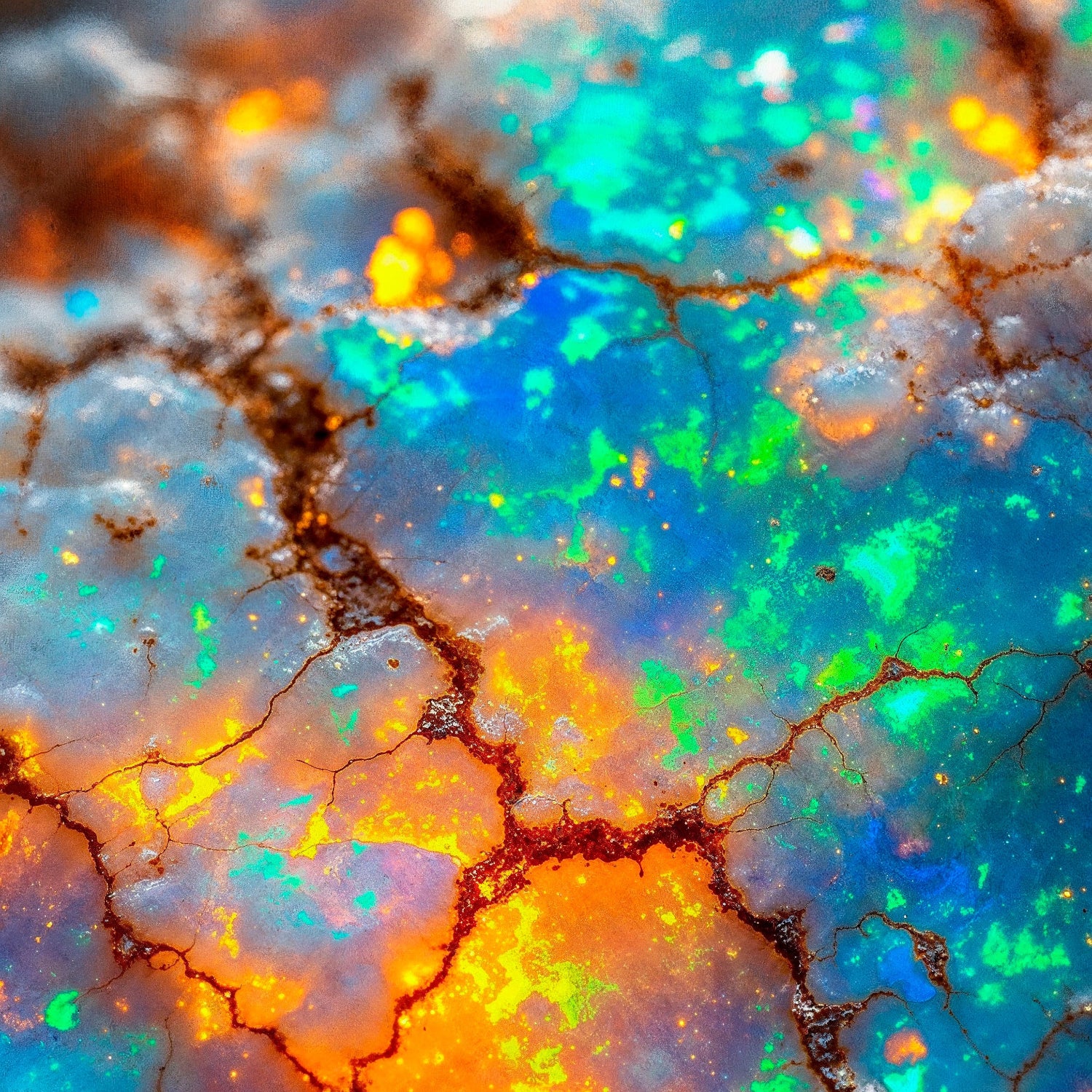
The opals most prized for jewellery are those that display vivid flashes of colour, known as play-of-colour or iridescence. These remarkable effects make every opal completely unique.
The Four Main Types of Precious Opal
White Opal
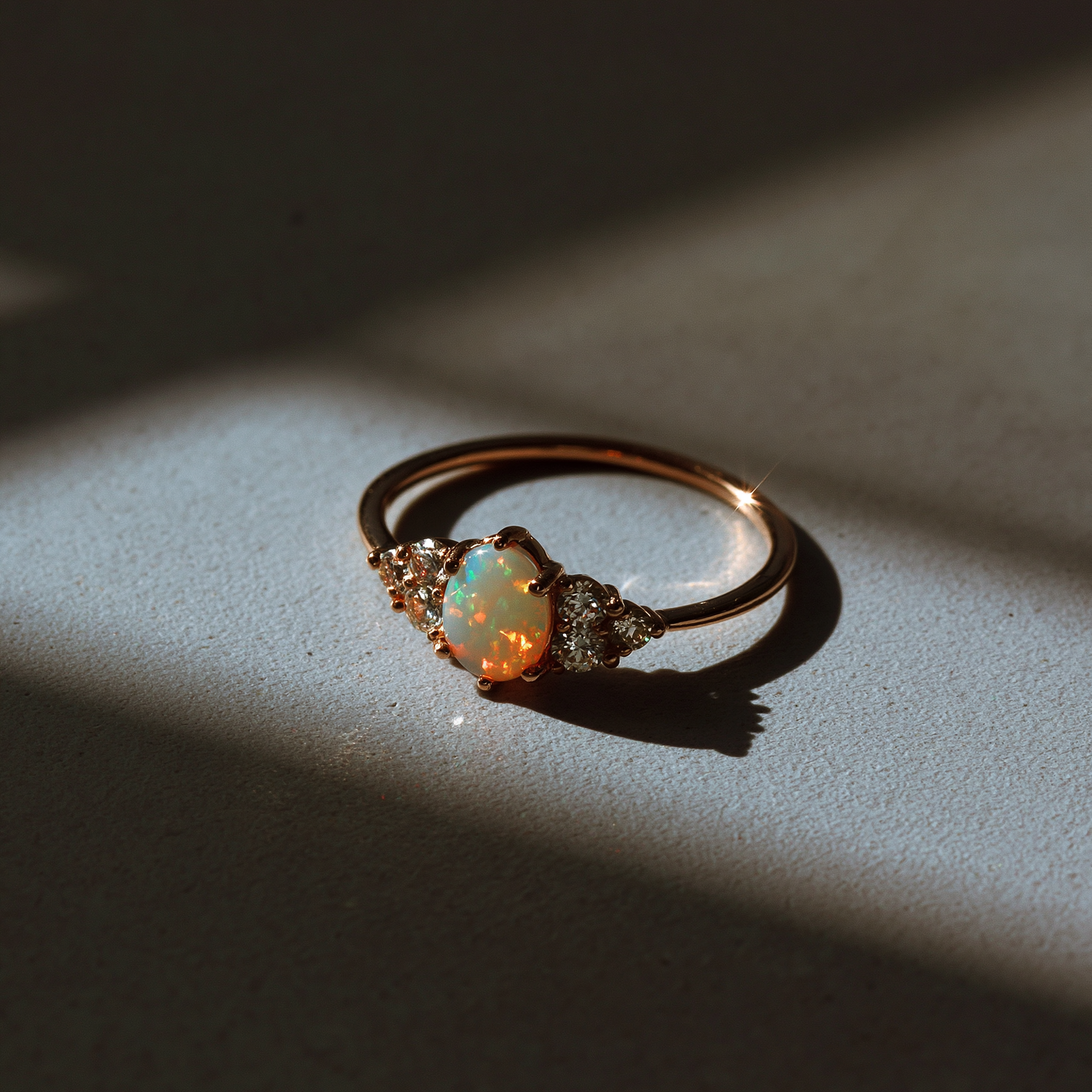
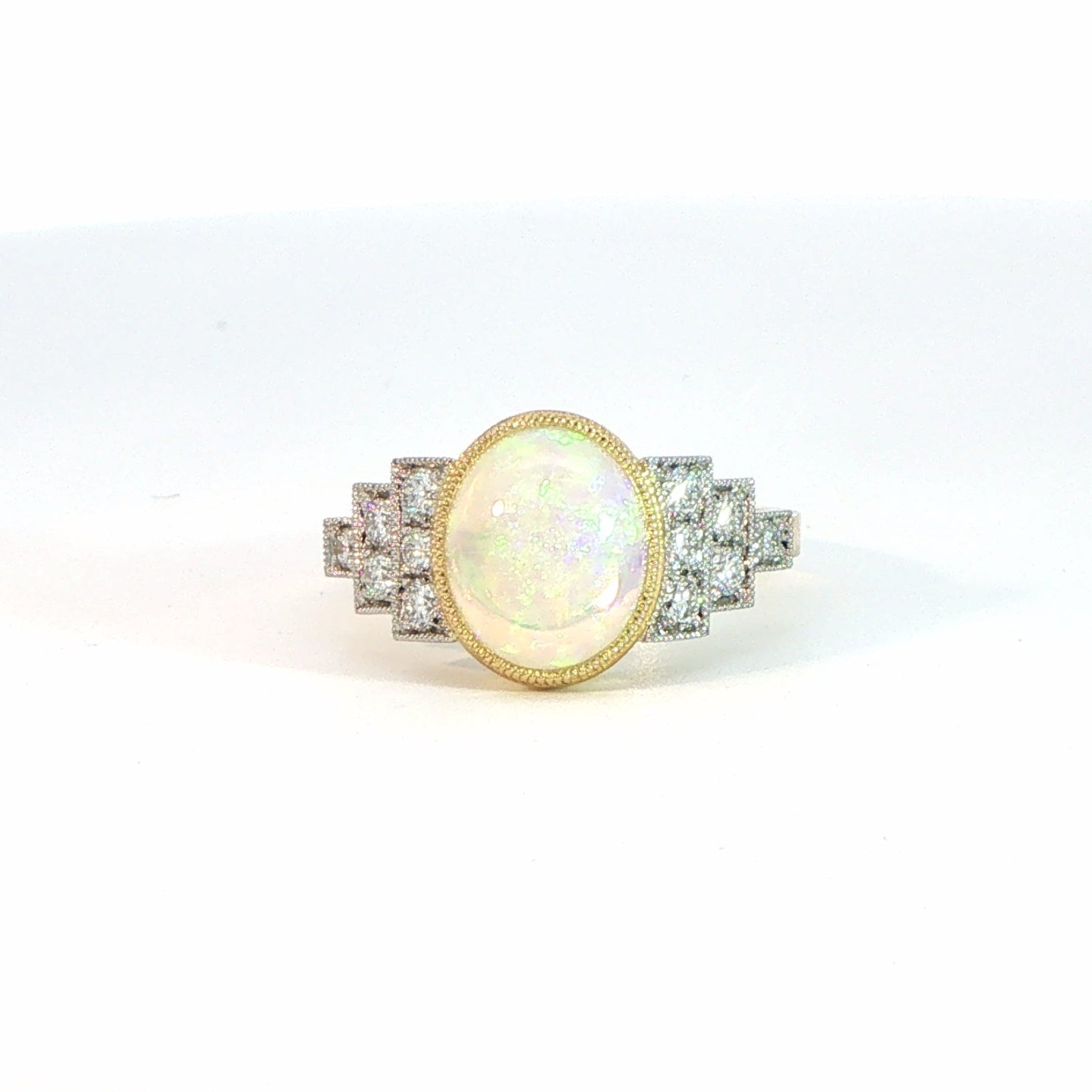
White opal has a light body colour with delicate flashes of blue, green, red, orange and yellow that appear to change depending on the viewing angle. This ever-changing display is one reason why opals are notoriously difficult to photograph, as a two-dimensional image can never capture all of their true colours.
Black Opal
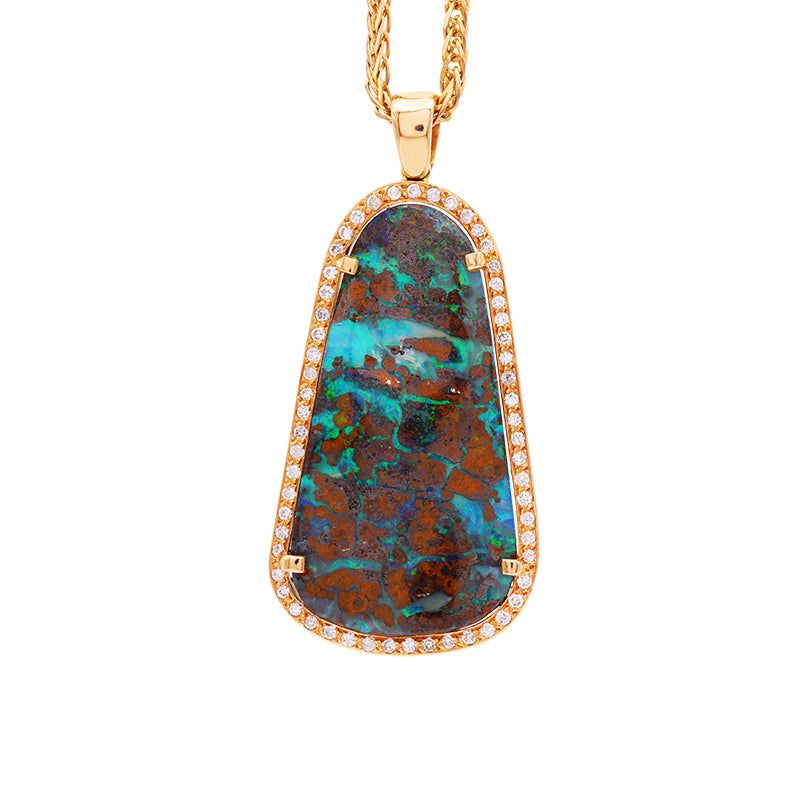
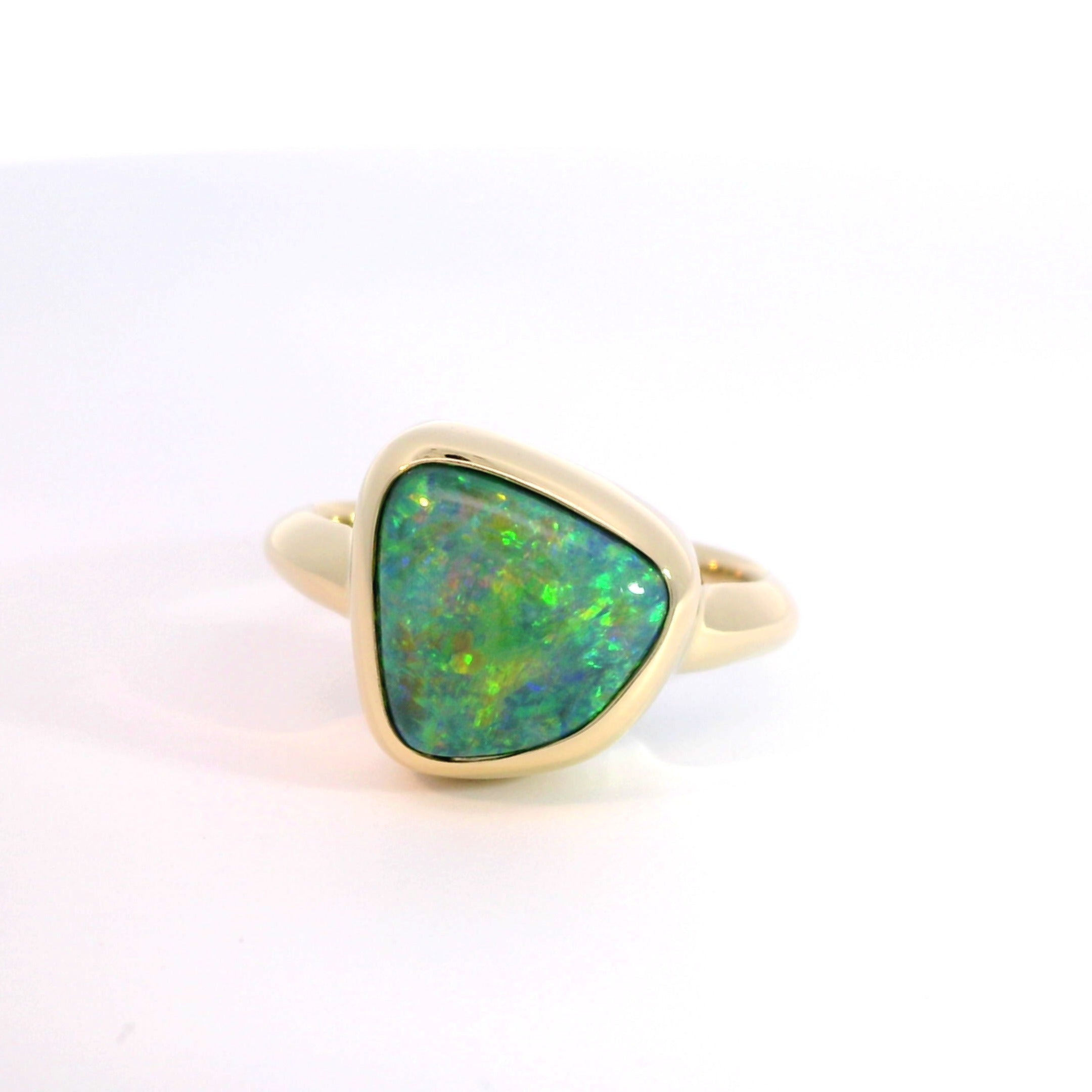
Often considered the most valuable variety, black opal has a dark body colour ranging from black to deep blue, green or grey. Against this darker background, vibrant flashes of colour appear even more dramatic and striking.
Fire Opal
Fire opals are transparent to translucent and are recognised by their rich orange to deep red body colour. While they may also display flashes of colour, many are admired simply for their fiery appearance.
Water Opal
Water opals are clear or colourless stones that exhibit brilliant flashes of colour within their transparent body, creating an almost magical effect.
Why Do Opals Display Colour?
The spectacular colours seen in precious opals are caused by millions of microscopic silica spheres within the stone. These tiny spheres diffract light, producing the beautiful iridescence that makes every opal unique.
Some of our Opals
Where Are Opals Found?
Opals form by filling cavities in sedimentary rocks. They can also develop as stalactites or stalagmites and are known to replace organic material such as fossils, shells and bones over millions of years.
Australia is by far the world's largest producer of opals. Other notable sources include Mexico, Honduras, Brazil, the USA, Southern Africa and the region formerly known as Czechoslovakia.
Opals Through History
From Roman times until the 17th century, opals were regarded as one of the most precious gemstones. During the 18th and 19th centuries, however, superstition led many people to believe that opals were unlucky.
Today, these myths have long been forgotten, and opals are once again celebrated for their extraordinary beauty, individuality and captivating display of colour. No two opals are ever exactly alike, making each one a truly unique piece of nature's artistry.
How Are Opals Cut?
Many opals are cut into smooth, rounded cabochons, a style that best showcases their beautiful play-of-colour. Fire opals are often faceted to enhance their transparency and brilliance, while carved opal cameos are rare and highly sought after by collectors.
By Sarah Stephens
Check out our other expert articles